Clean Tech Voices
A diverse cohort of Fellows and experts examining the deeper dynamics shaping clean technology diffusion, localization, and scaling across Africa.
Their work goes beyond simplified technology adoption narratives to explore how innovation interacts with infrastructure, industrial policy, governance, and economic realities on the ground.
Through grounded analysis and original perspectives, Clean Tech Voices surfaces the trade-offs, constraints, and policy choices that determine whether clean technologies remain niche solutions or isolated pilots—or become foundations for inclusive and economically transformative development across Africa.
-
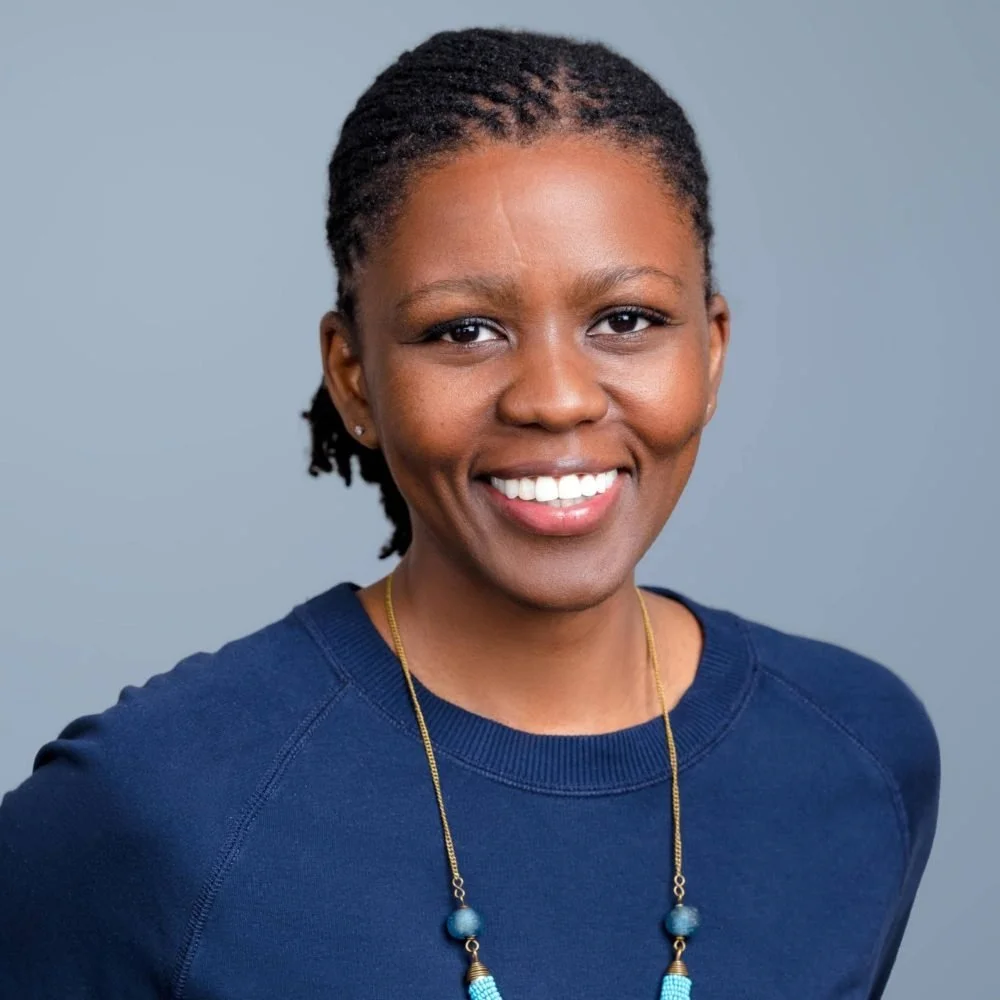
Rose M. Mutiso
Beyond Leapfrogging: Building Durable Clean Tech Pathways
Rose’s work challenges simplistic narratives of technological leapfrogging in Africa, arguing that many celebrated clean tech “successes” are short-term workarounds to persistent dysfunction rather than systemic transformation. Drawing on her research and writing, she examines how clean technologies can be better integrated into long-term development strategies—moving from side-stepping broken systems toward building robust foundations for clean tech transformation on the continent.
-

Bessie Noll
Unlocking Local Value in the Clean Energy Transition
Bessie’s fellowship explores how African countries can capture greater value from the clean energy transition through local learning, manufacturing, and industrial linkages. Drawing on her research on technology complexity and localization potential, she analyzes how design and production characteristics shape localization prospects—and what this means for green industrial policy and strategic investment.
-
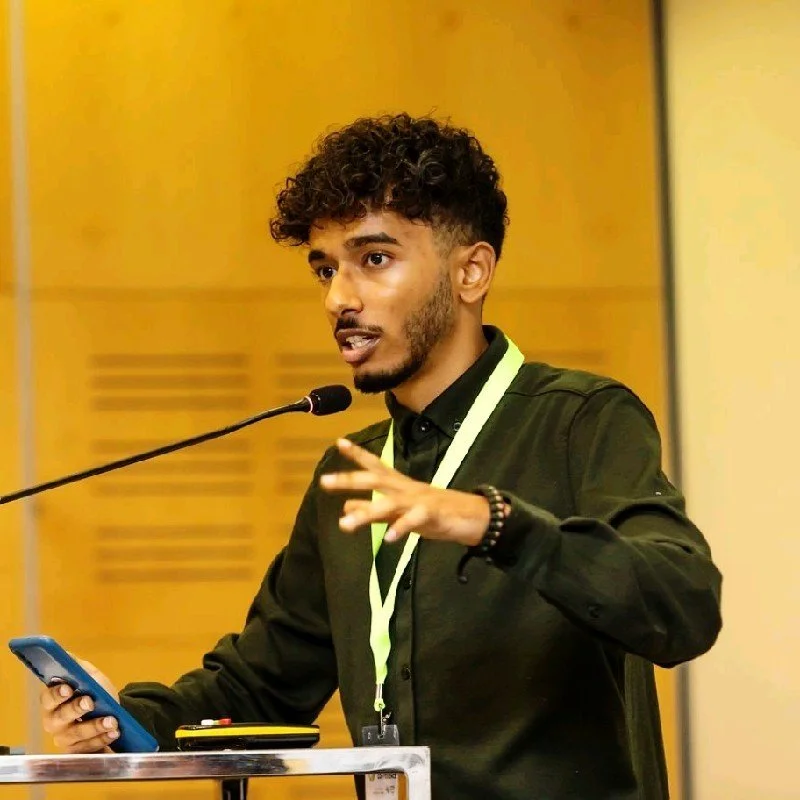
Jabri Ibrahim
What Drives Climate Enterprise Growth in Africa?
Jabri’s fellowship examines how policy, governance, and mission-oriented innovation shape the emergence of climate-aligned enterprises in Africa. Drawing on his research in Kenya—one of Africa’s leading destinations for climate startups—he explores what enables these enterprises to take root and scale, and what constraints they face. His work highlights how these dynamics shape prospects for a just and durable clean tech transition.
Related Experts